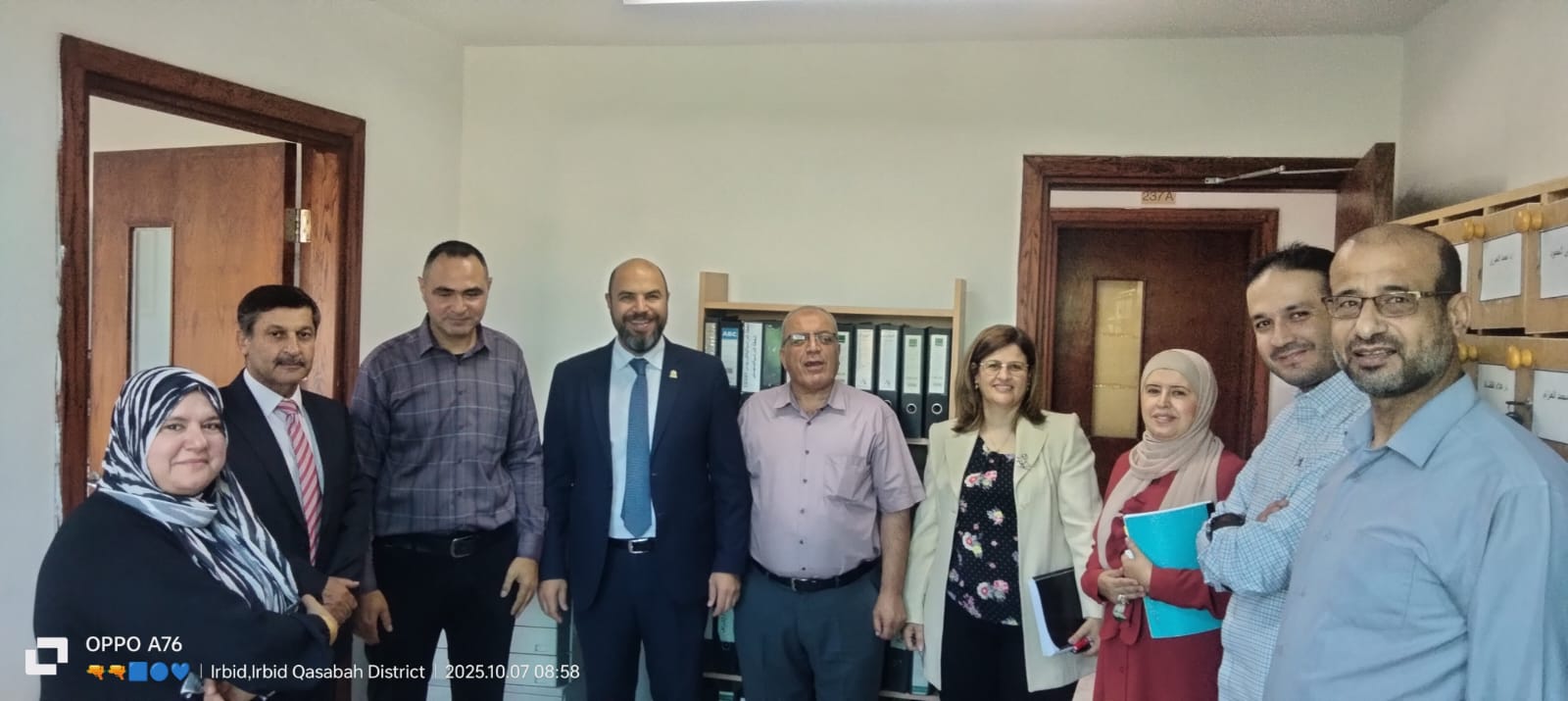
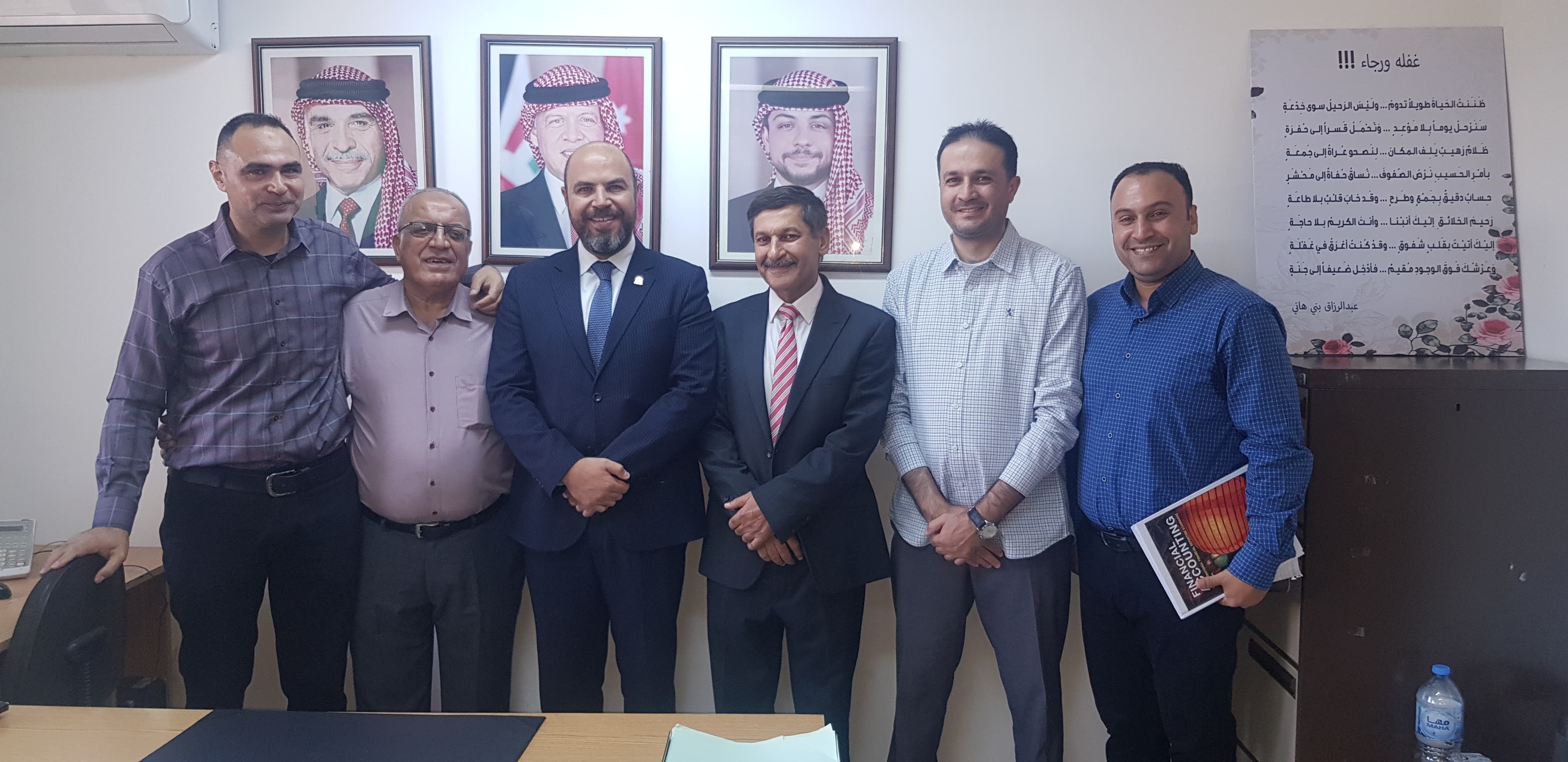
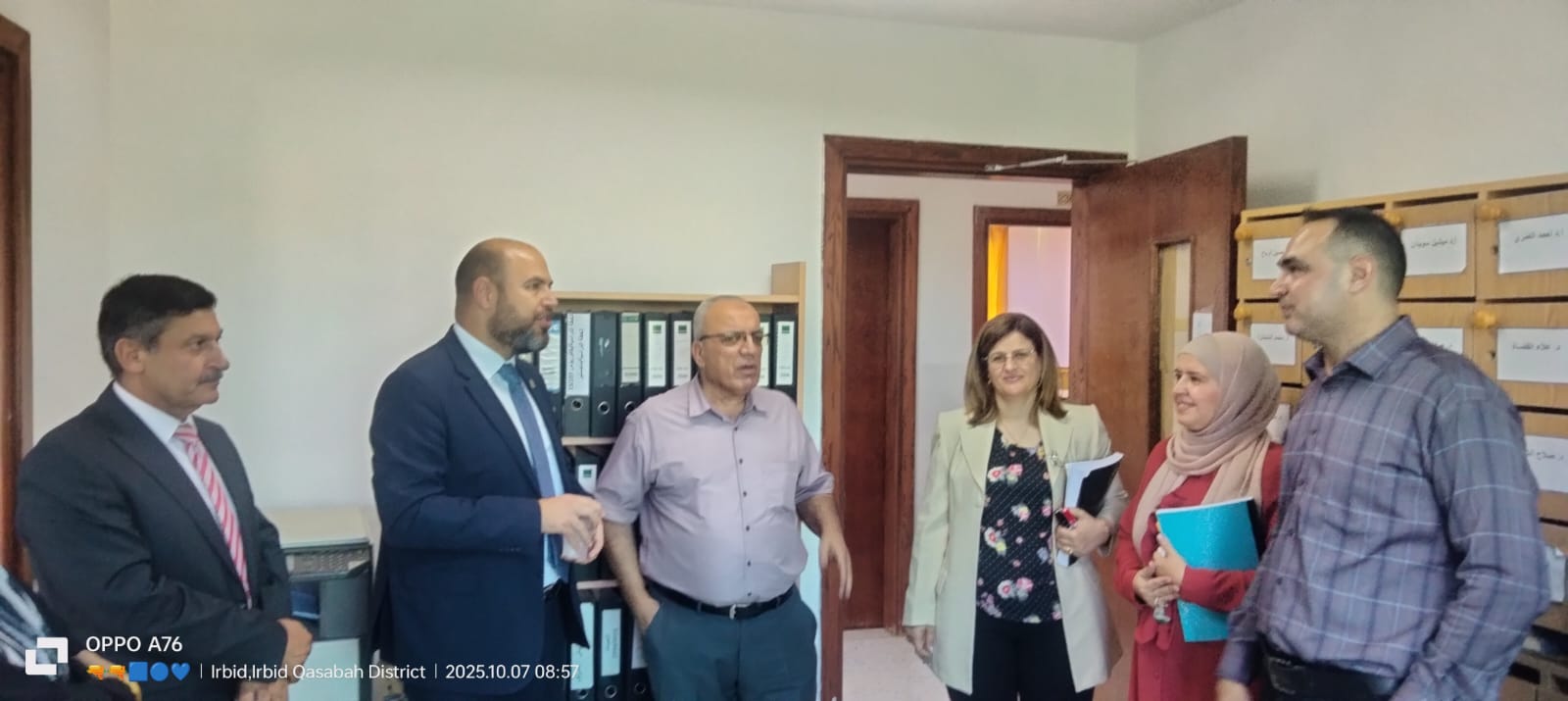
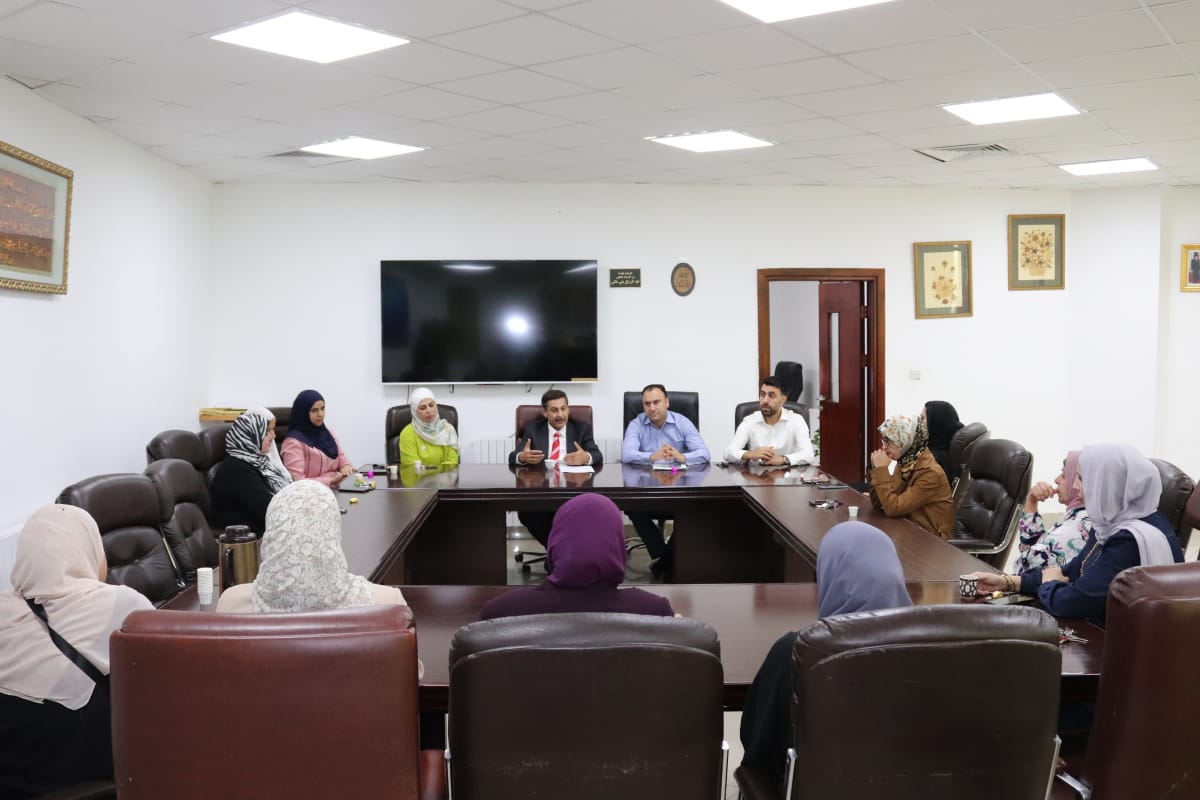
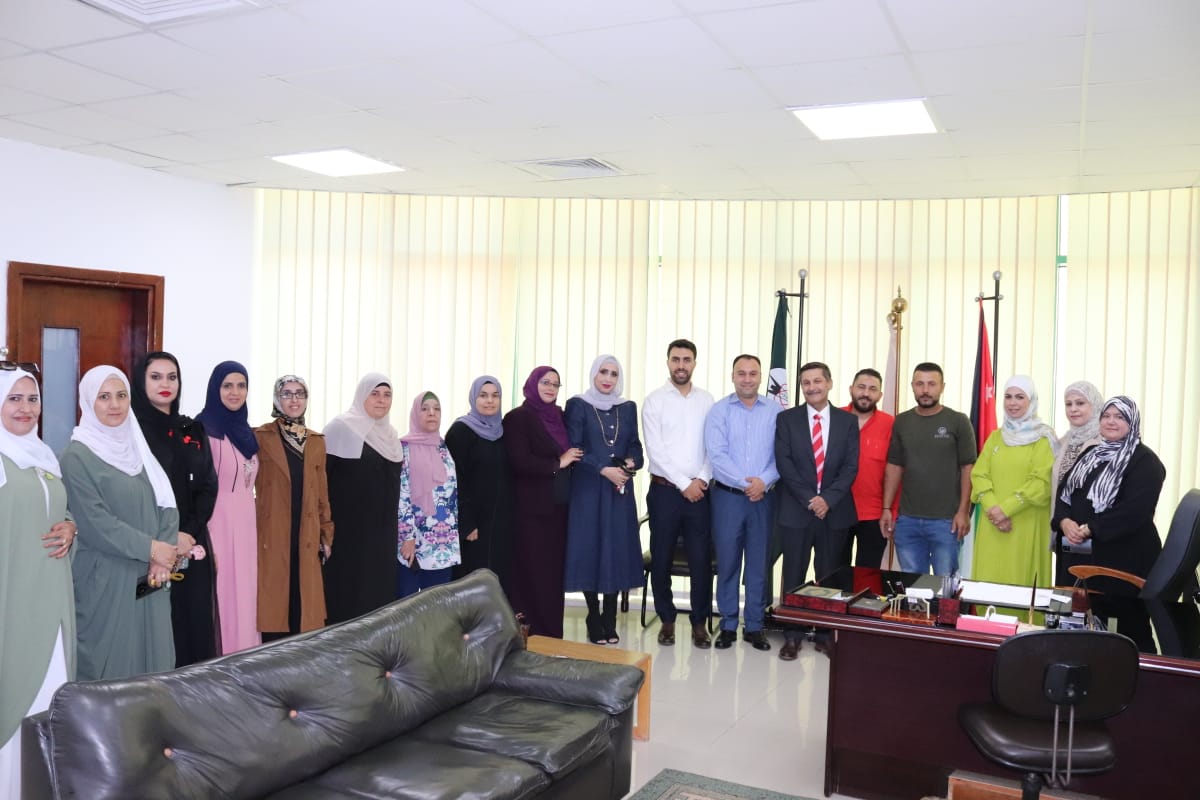
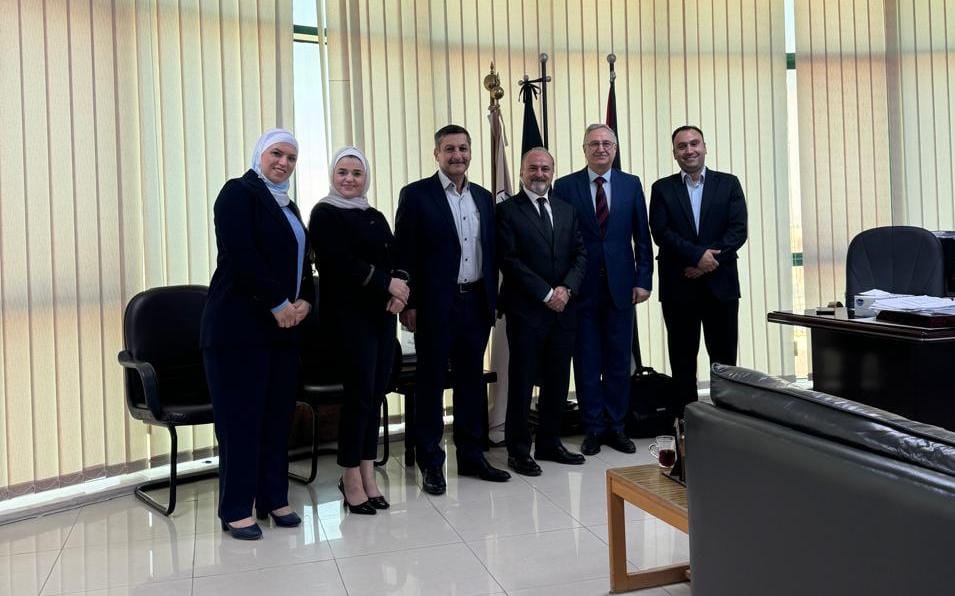
His Excellency the President of the University, Professor Dr. Malek Al-Sharairi, paid a brief visit to the Faculty of Business, during which he met with the Dean of the Faculty, Professor Dr. Yahya Malham, along with a number of faculty members from the Accounting Department, with whom he shares previous academic and professional ties.
The meeting was marked by a friendly atmosphere that reflected a spirit of collegiality and mutual appreciation, as attendees exchanged cordial conversations and recalled professional and academic milestones they had previously shared within the department.
The University President expressed his pleasure at meeting his former colleagues, praising their continued efforts in serving students and advancing the development of the department.
His Excellency the President of the University, Professor Dr. Malek Al-Sharairi, paid a brief visit to the Faculty of Business, during which he met with the Dean of the Faculty, Professor Dr. Yahya Malham, along with a number of faculty members from the Accounting Department, with whom he shares previous academic and professional ties.
The meeting was marked by a friendly atmosphere that reflected a spirit of collegiality and mutual appreciation, as attendees exchanged cordial conversations and recalled professional and academic milestones they had previously shared within the department.
The University President expressed his pleasure at meeting his former colleagues, praising their continued efforts in serving students and advancing the development of the department.
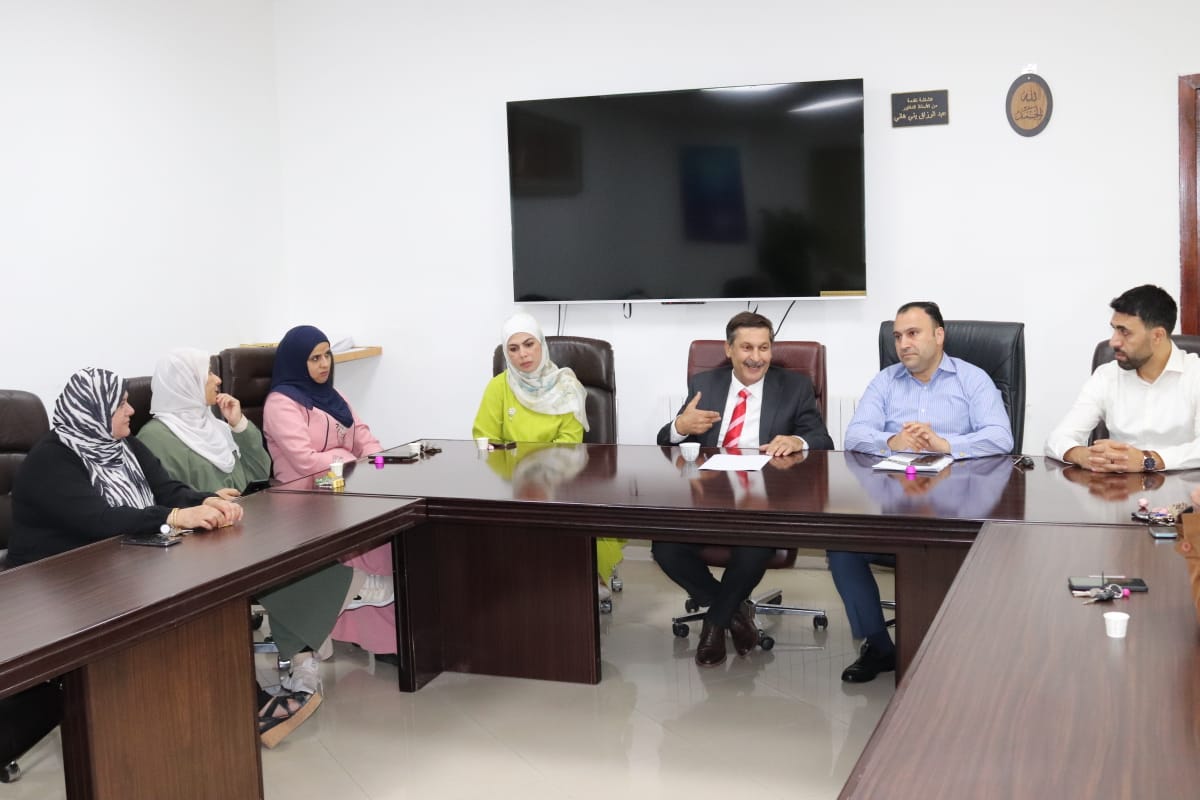
In an atmosphere characterized by mutual respect and cooperation, the Dean of the Faculty of Business, Professor Dr. Yahya Melhem, met with the administrative staff of the faculty in a meeting described as positive and constructive.
During the meeting, the Dean commended the efforts exerted by the administrative colleagues in supporting the academic and administrative processes, emphasizing the importance of role integration and working in a team spirit to achieve the faculty’s objectives and enhance the quality of services provided to students and faculty members. The meeting also included listening to the observations and suggestions raised by the administrative staff and discussing several aspects related to the work environment and ways to improve performance.
The meeting was attended by the Vice Dean, Dr. Khaldoon Aldaoud, and the Assistant Dean, Dr. Mohammad Abuweini. At the conclusion of the meeting, the Dean expressed his deep appreciation for the commitment and sense of belonging he observed, reaffirming his commitment to maintaining open communication and fostering a supportive and professional work environment.
A field visit for business administration students to Talal Abu-Ghazaleh and Rawabi Farah companies to enhance cooperation between academic education and the private sector.
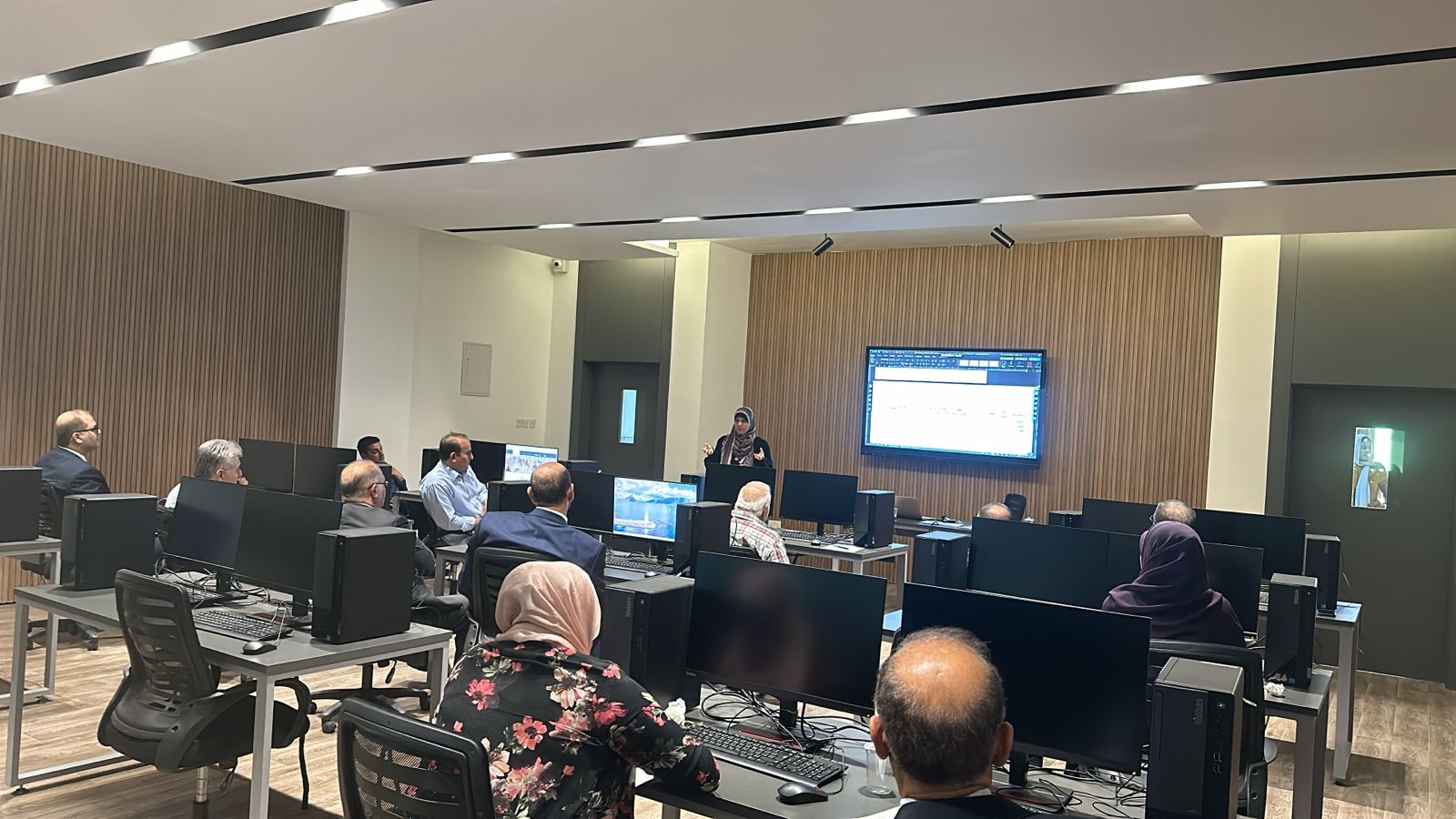
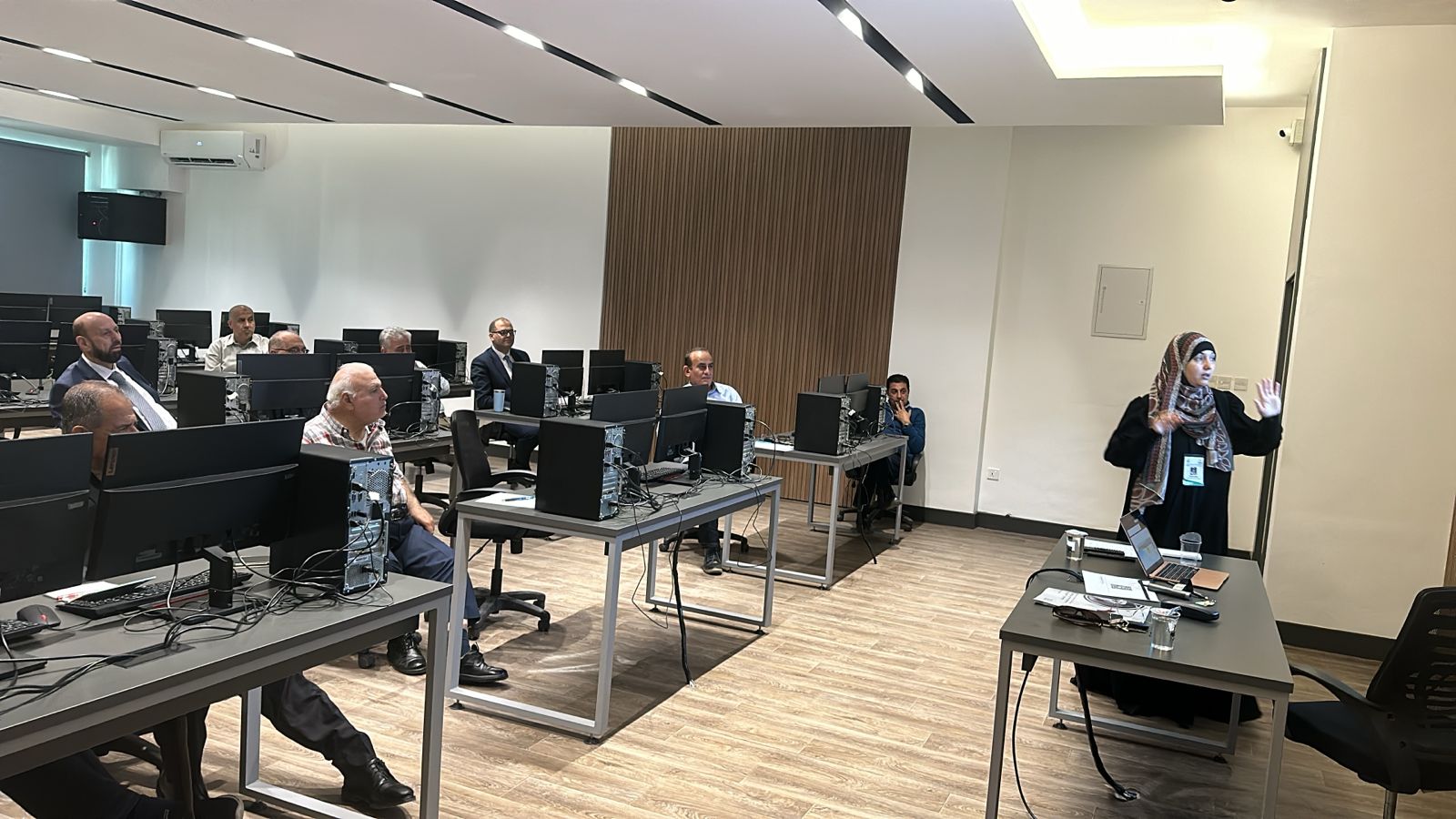
The Faculty of Business and the Quality Assurance Department organized specialized workshops for the faculty's departments titled "Academic Program Placement in the National Qualifications Framework," in collaboration with the Accreditation and Quality Assurance Center at Yarmouk University. These workshops aimed to enhance the understanding of academics and administrators regarding the national standards for academic qualifications and ways to align the business programs with the National Qualifications Framework.
During the workshops, Mrs. Susan Rdaideh from the Accreditation and Quality Assurance Center presented the key concepts related to the placement of academic programs in accordance with national standards. She also provided a detailed explanation of how to evaluate academic programs and ensure their alignment with labor market requirements and international standards. She also emphasized that placing academic programs within the National Qualifications Framework ensures the unification of quality standards in education and facilitates the recognition of qualifications across various educational and professional institutions. Additionally, through these workshops, we aim to qualify academic staff to ensure that their programs achieve the highest levels of quality and enhance students' opportunities in the labor market.
For his part, Prof. Dr. Mishiel Suwaidan, Dean of the Faculty of Business, pointed out that these workshops are an important step in the faculty's efforts to achieve academic excellence and ensure the quality of education. "We are committed to offering academic programs that align with the highest international standards," he said, "and this is part of the Faculty of Business's ongoing efforts to develop education in the college in line with best international practices."
It is worth noting that the National Qualifications Framework is a tool that organizes and coordinates academic and professional qualifications, aiming to ensure quality in higher education and facilitate the recognition of qualifications both locally and internationally.
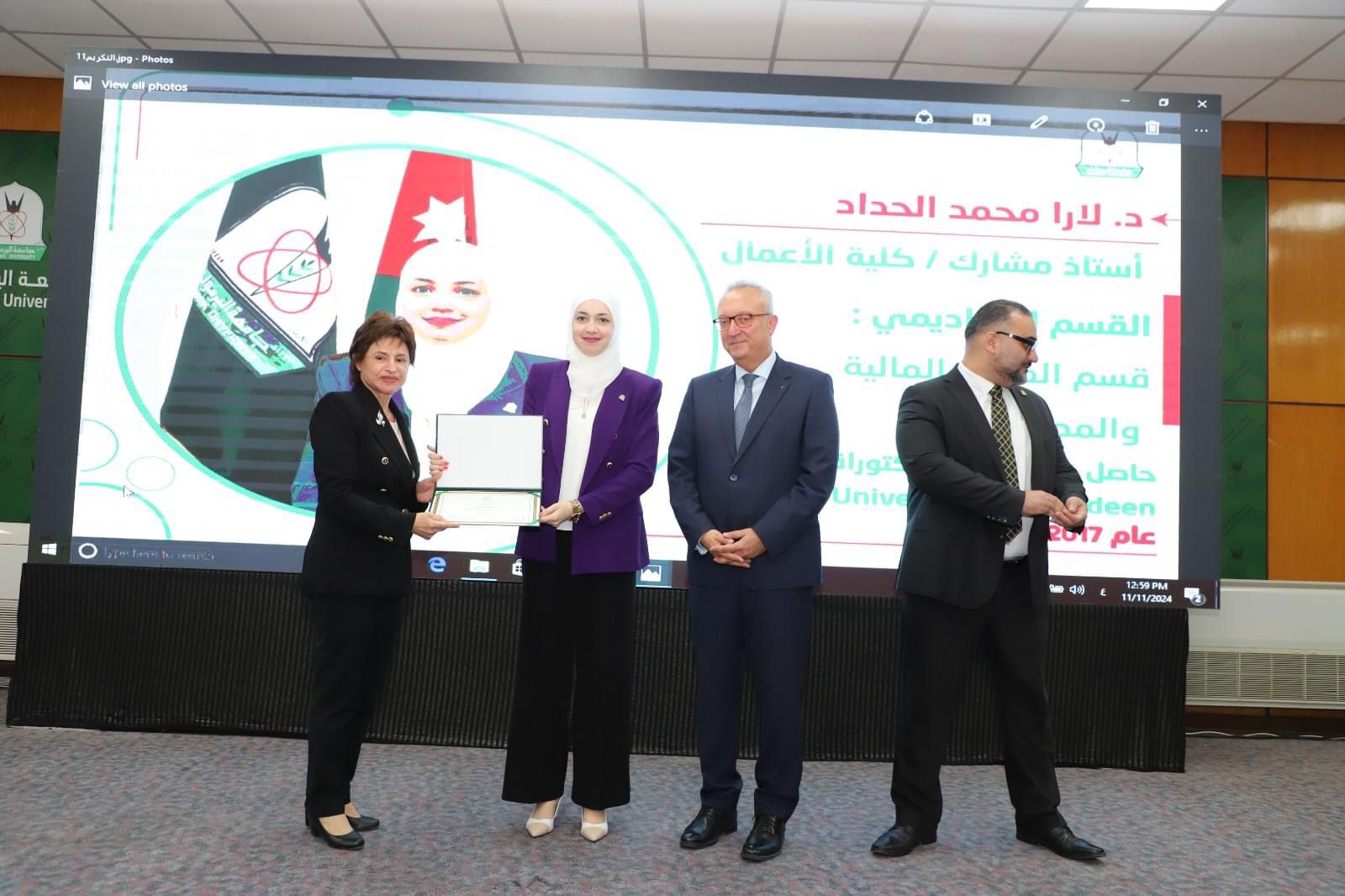
The Faculty of Business at Yarmouk University extends its heartfelt congratulations to Dr. Lara "Mohammed Yehya" Al-Haddad, Associate Professor in the Department of Finance and Banking and Head of the Department, on being honored by the university as the most published researcher in scientific papers in the global database Scopus at the faculty level. This recognition comes in appreciation of her continuous efforts and valuable contributions to the field of scientific research.
We wish you continued excellence and success in your academic journey, and may you continue to achieve further accomplishments that contribute to serving society and advancing knowledge.
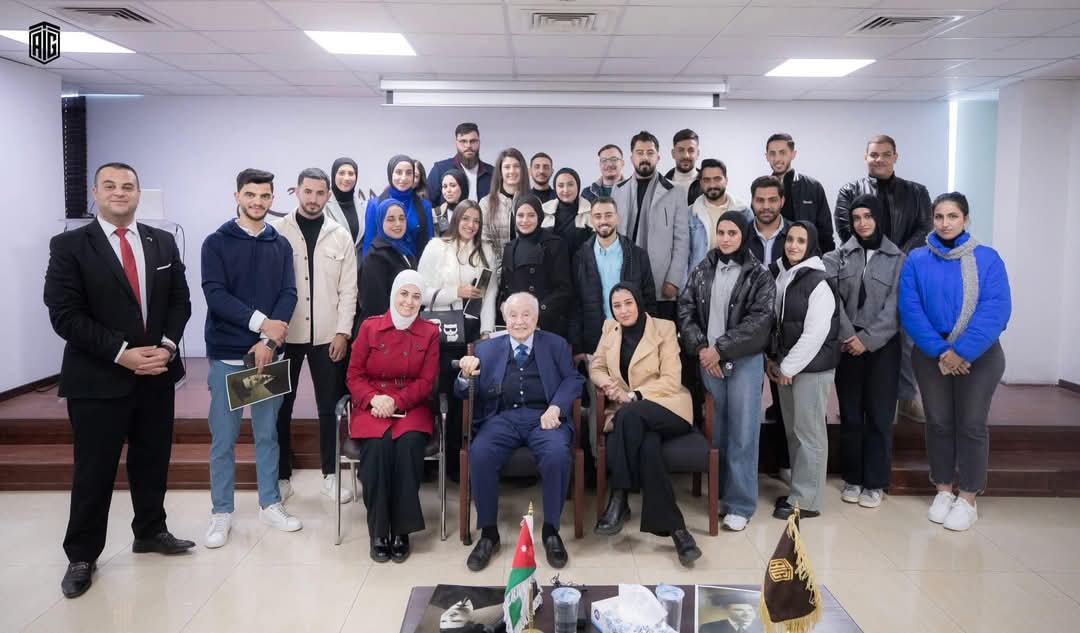
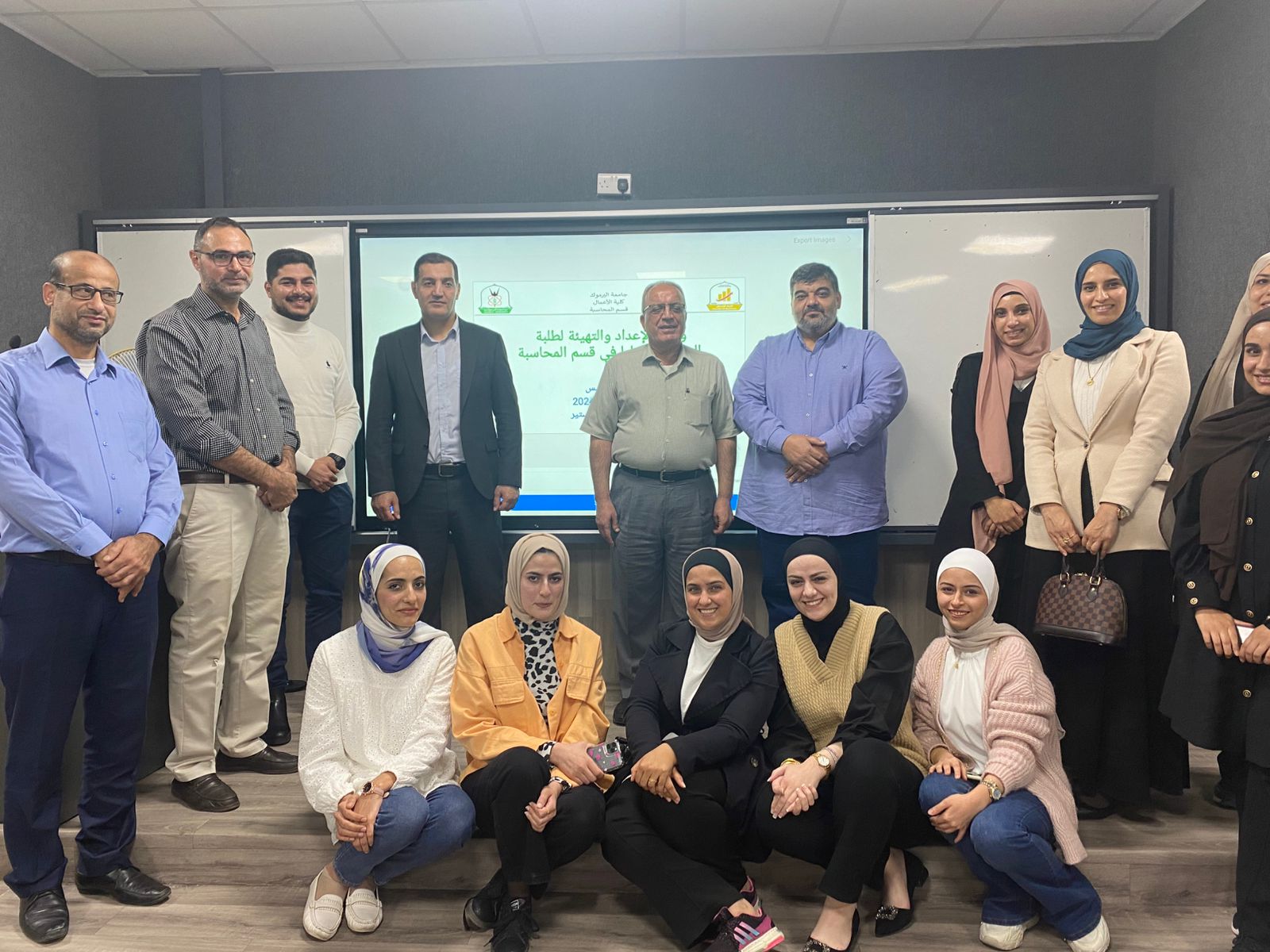
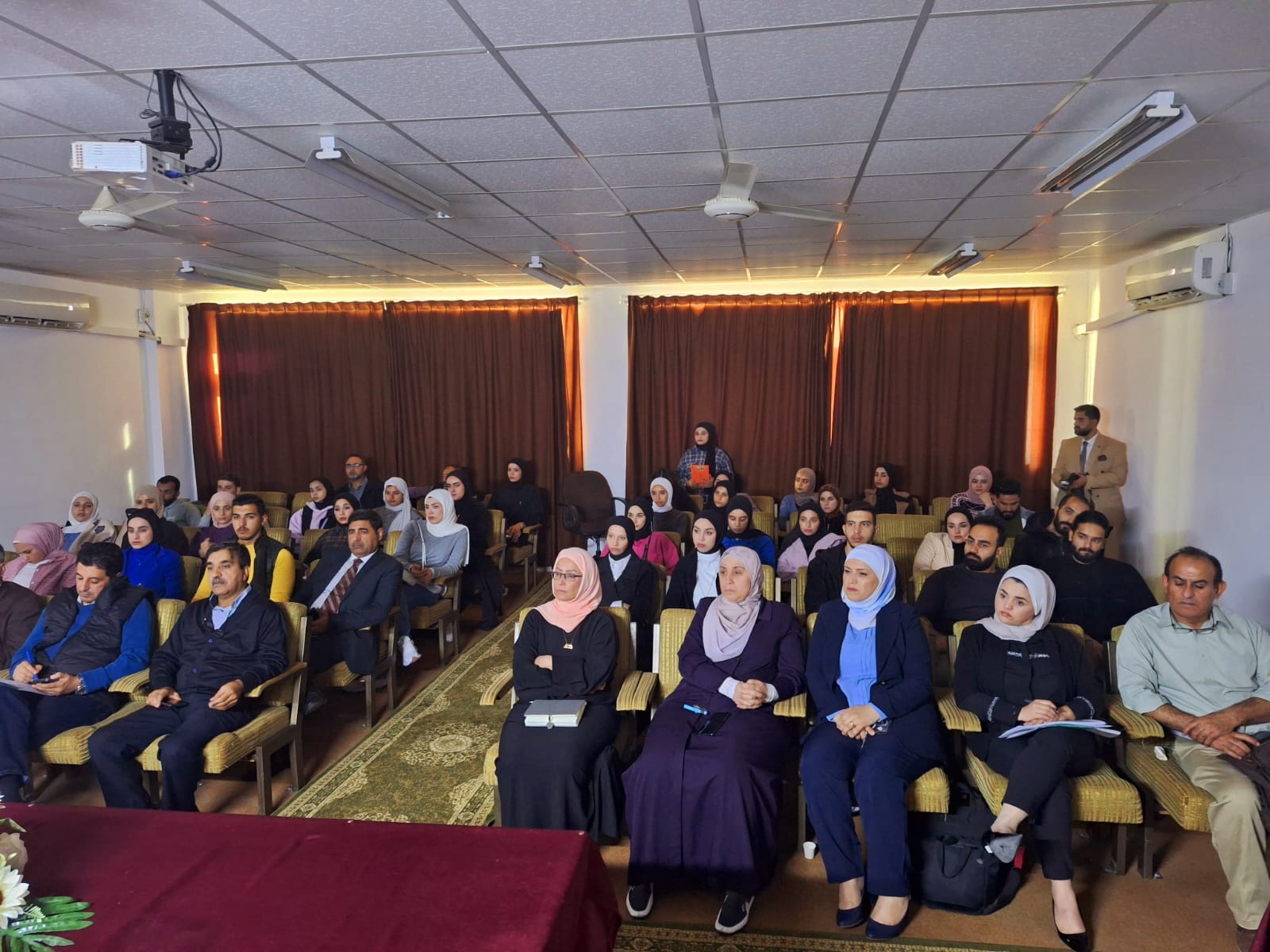
The Accounting Department at the Faculty of Business at Yarmouk University organized an orientation workshop for new graduate students on Thursday, November 7, 2024. The workshop aimed to provide new students with essential information they need to succeed in the Master's program, as well as to introduce them to academic regulations and available services. The workshop began with a lecture by Dr. Iyad Al-Sartawi, who gave a comprehensive introduction to the Master's program in the Accounting Department, outlining its objectives and areas of study. Professor Dr. Ahmed Al-Omari also delivered a lecture on the regulations and requirements related to the Master's program, explaining the academic policies that students must adhere to. Dr. Mahmoud Al-Odat discussed the importance of research ethics and how to avoid academic plagiarism, while Dr. Mohamad Al-Tamimi addressed the use of artificial intelligence in academic research, focusing on the ethical principles surrounding the use of this technology. Meanwhile, Dr. Salah Al-Shurman presented the services provided by the university graduate students, including academic and advisory support, which contribute to enhancing the students' academic experience.
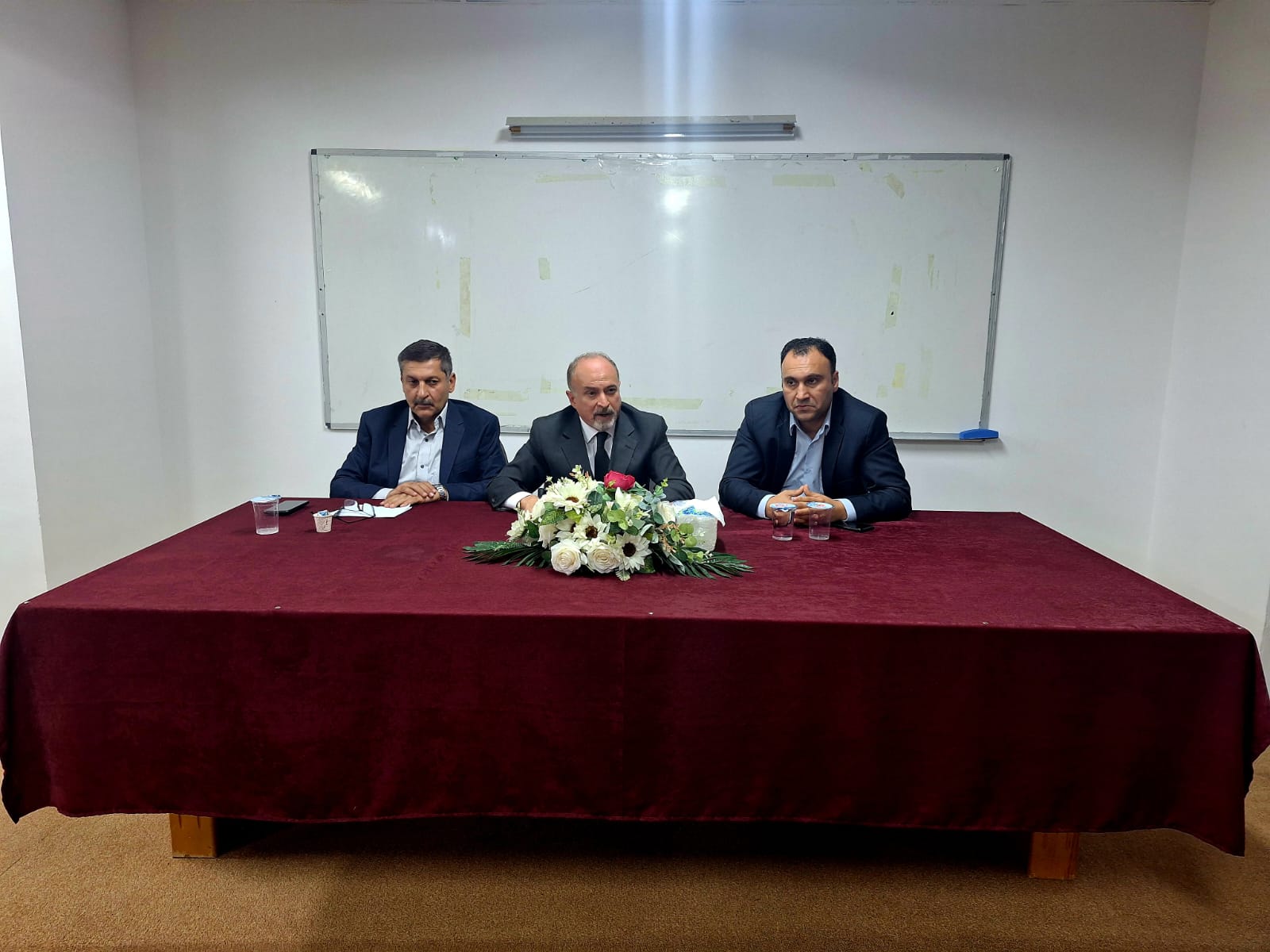
The Faculty of Business recently held a seminar titled “Governance and Sustainability,” featuring the esteemed Mr. Mazen Wathaifi, the Executive Director of the Securities Commission and the CEO of the Amman Stock Exchange. Mr. Wathaifi spoke on key topics related to good governance and sustainable development. The seminar was moderated by Dr. Khaldoon Aldaoud, the Deputy Dean of the Faculty of Business, and Professor Yahya Melhem from the Department of Business Administration.
During the seminar, Mr. Wathaifi highlighted the importance of governance in Jordanian public companies, addressing it from a practical, real-world perspective. He emphasized the need for these companies to implement the principles of governance, such as fairness, transparency, accountability, responsibility, and independence. He also underscored the importance of satisfying all stakeholders, including employees, shareholders, customers, and anyone directly or indirectly connected to these institutions. The seminar included an interactive discussion with faculty and students from the Faculty of Business on concepts of governance and sustainability. Mr. Wathaifi explained that sustainability involves creating a balance between current societal needs without compromising the needs of future generations. This includes meeting present and future needs through the preservation of the natural environment, the well-being of society, its culture and values, as well as fostering ongoing, balanced economic development.
At the close of the event, Dr. Khaldoon Aldaoud, Deputy Dean of the Faculty of Business, extended a warm welcome to the guest and expressed his gratitude for the valuable insights shared on the critical topics of sustainability and good governance and emphasized the significance of addressing these issues in Jordanian institutions in a way that fosters transparency and integrity, free from corruption, in the beloved nation of Jordan.
The dean of the faculty of business Prof. Dr. Mishiel Suwaidan emphasized that this seminar is part of a series of activities organized by the faculty of business to foster knowledge exchange and encourage critical thinking among students on issues that impact sustainable development in the business world.
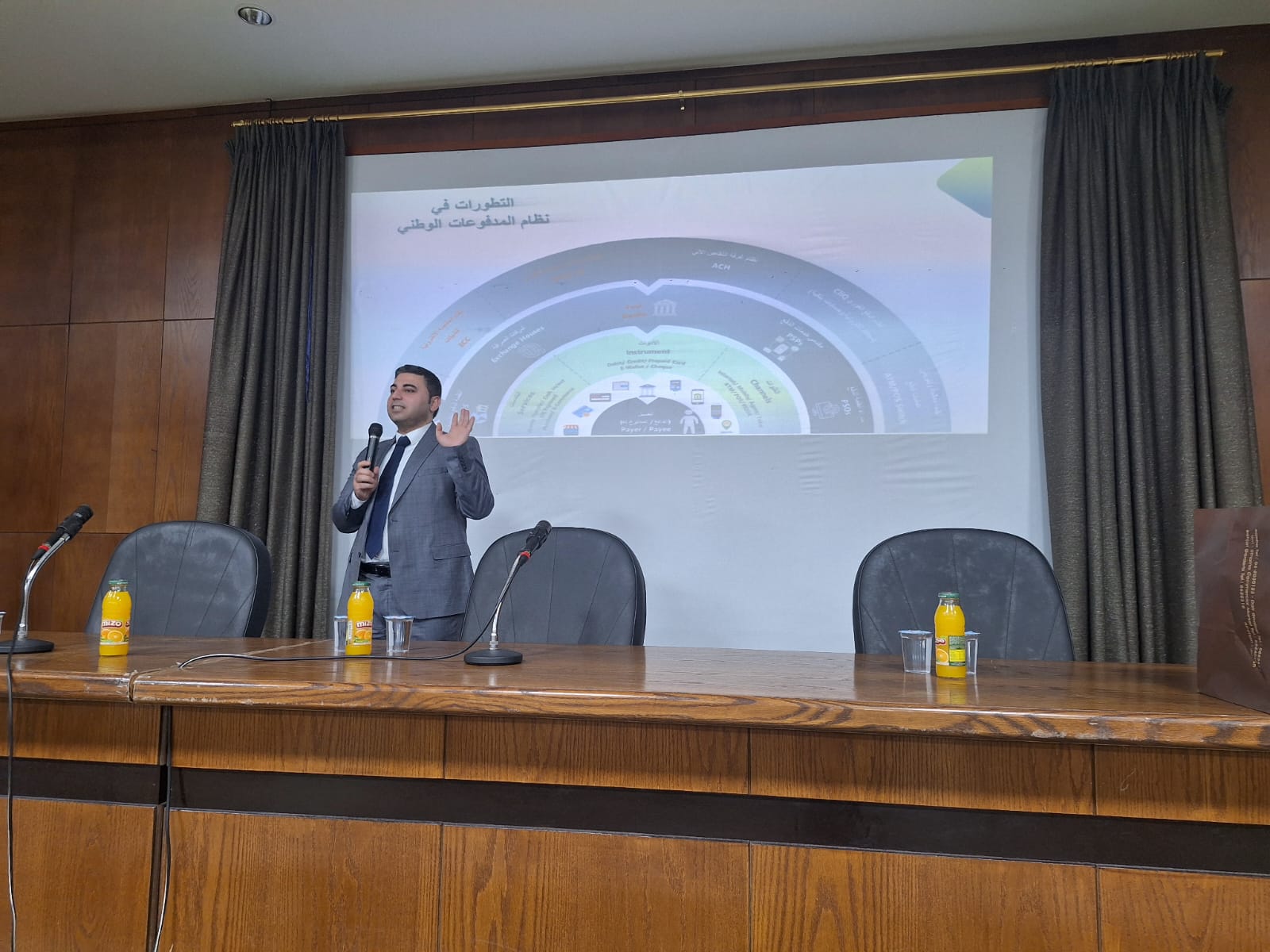
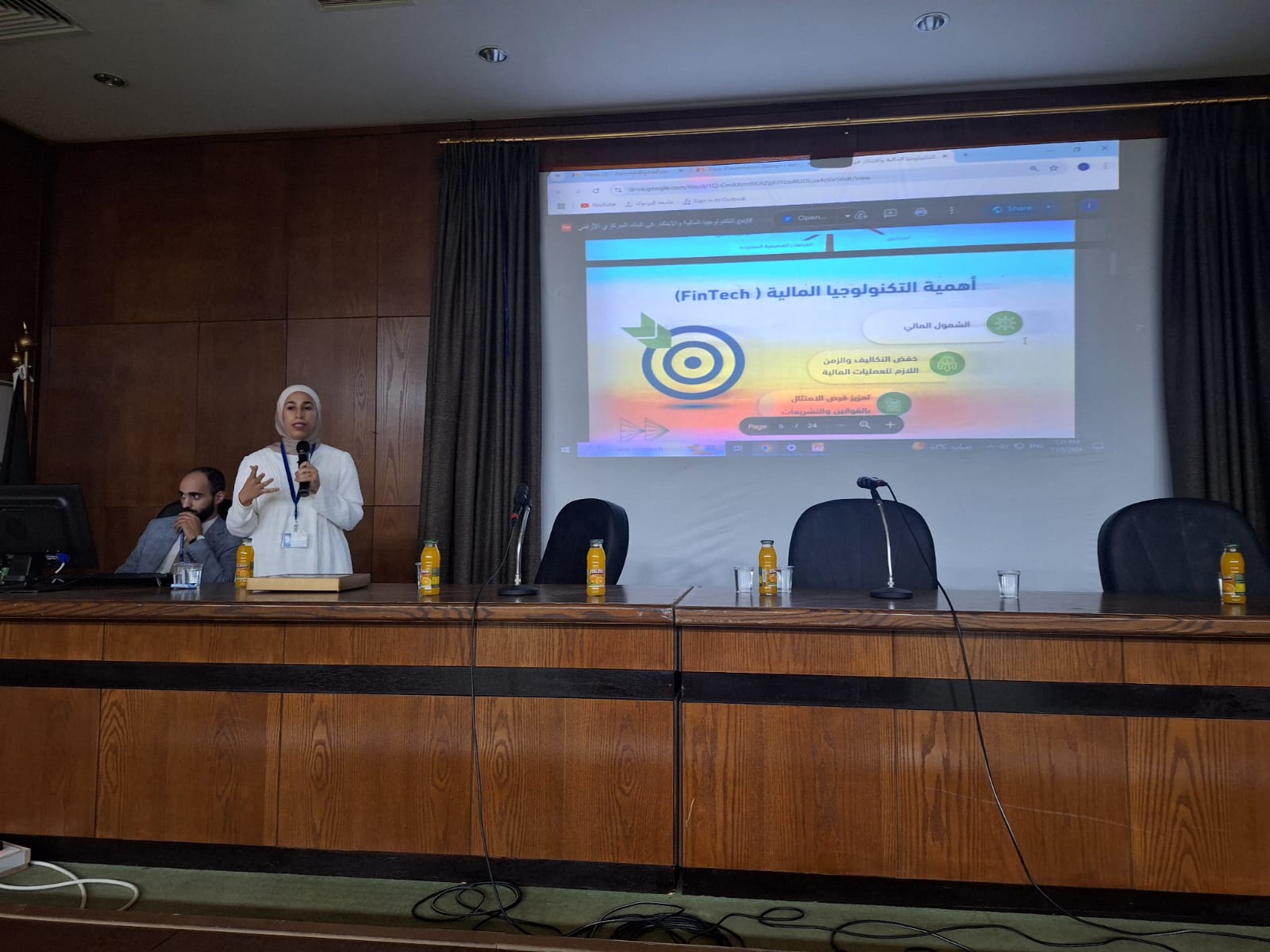
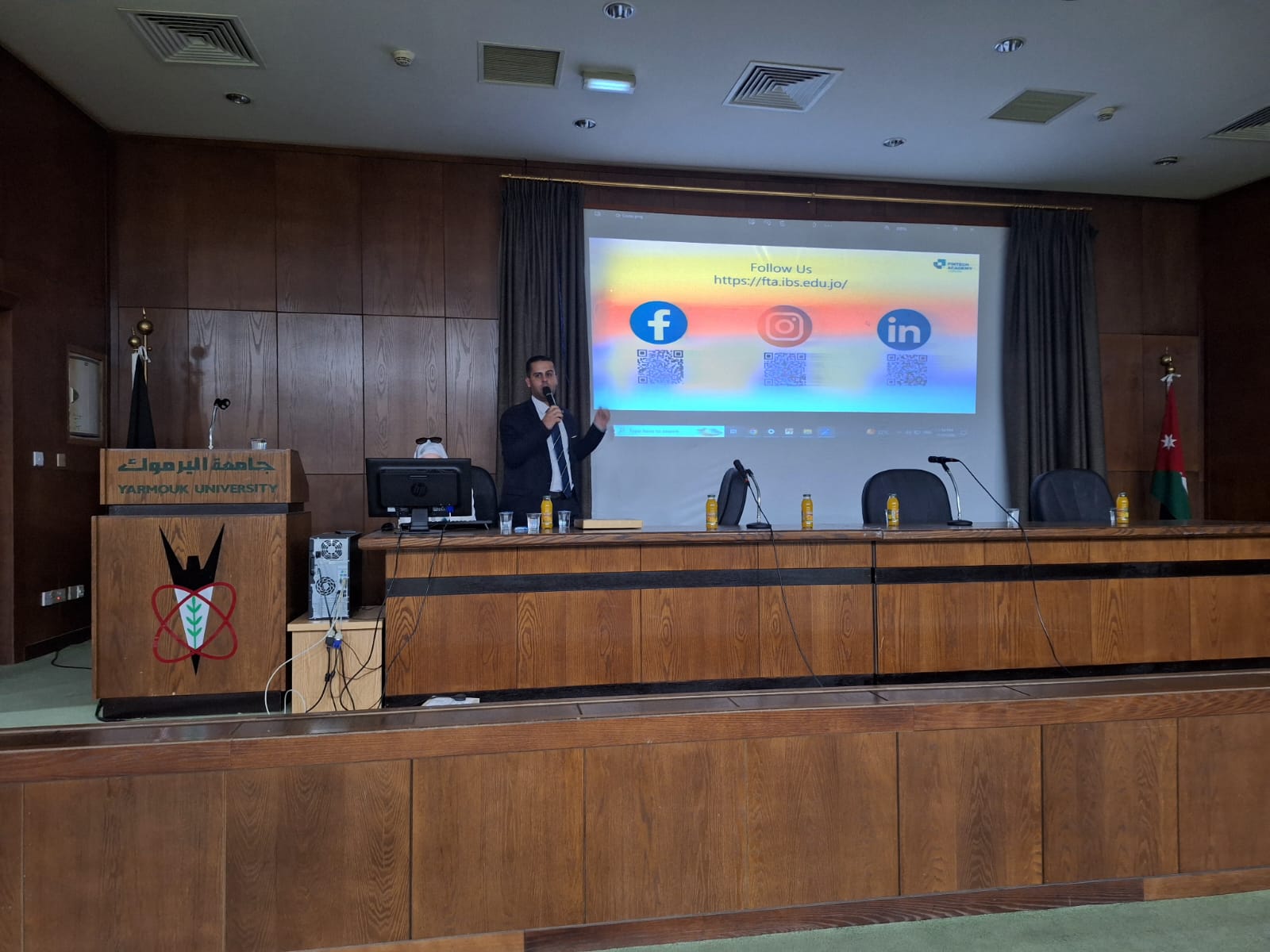
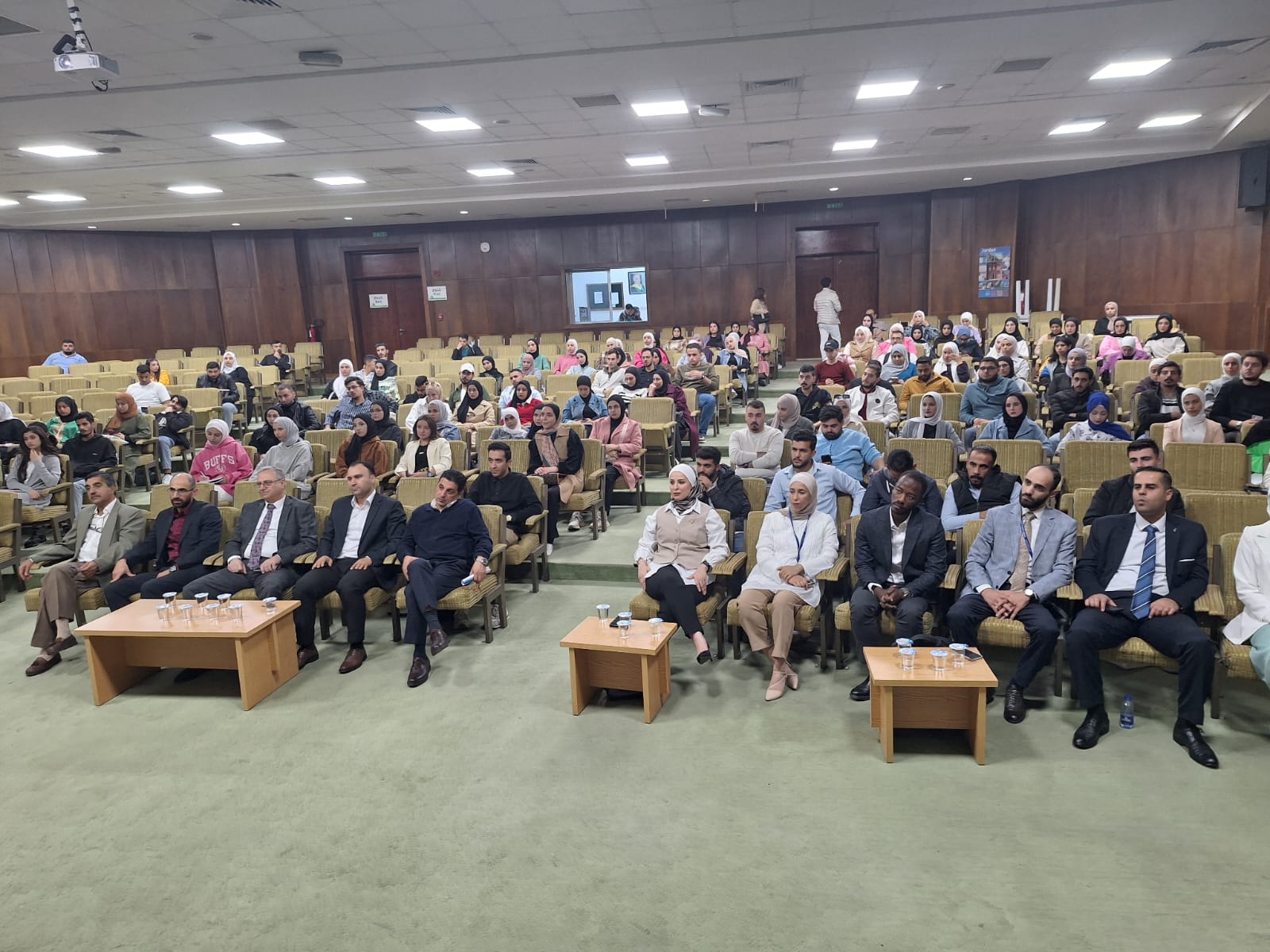
The Faculty of Business at Yarmouk University is pleased to announce the organization of an open scientific day on financial technology, presented in collaboration with the Central Bank of Jordan and participation from a distinguished group of local business partners, coordinated with the Department of Financial and Banking Sciences. This event, held under the title “Bridging the Knowledge Gap in the Financial Technology Sector,” aimed to enhance awareness and understanding of the latest developments in this vital field. The scientific day featured a series of lectures and discussion sessions covering various topics such as an introduction to financial technology, entrepreneurship in the financial sector, and digital payments. Experts also shed light on the applications of artificial intelligence in the financial and banking sectors and highlighted the importance of leading companies sharing their experiences and expertise. The event was attended by a large number of students and faculty members from the Faculty of Business, who expressed great interest in the content of the lectures and discussions. This event provided a unique opportunity for engagement with experts and learning about the latest innovations and trends in the field of financial technology.
This activity is part of a series of efforts by the Faculty of Business to enhance the educational and practical environment for students, connecting them with the latest industry developments, thereby contributing to the preparation of qualified professionals to meet the needs of both local and international markets.
In 1981 Yarmouk University established a unique college under the title of “Faculty of Economics and Administrative Sciences”, with the objective of meeting stakeholders needs and contributing to the national business, organizational and management arena.